My History
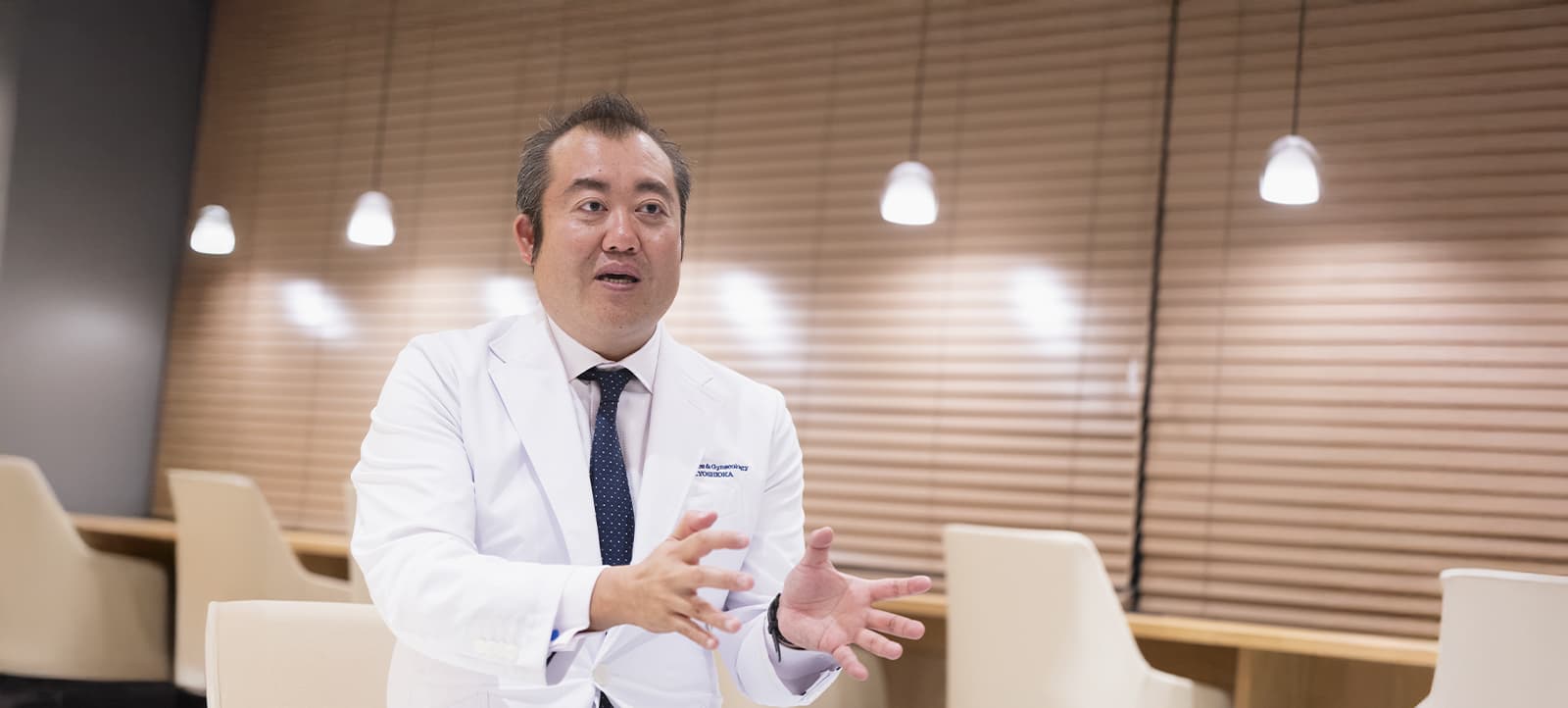
Medicine has always been part of my life. I grew up in a family that ran an obstetrics and gynecology clinic—my father was an obstetrician, and my mother was a midwife. From an early age, childbirth and medical care were part of my daily world. I remember nights when my parents would rush out for emergency deliveries, leaving me home alone, or when family vacations were cut short so they could return to care for a patient. Watching them place patients’ lives above all else taught me what it truly means to serve as a healthcare professional.
During my years in medical school and clinical training, I had the opportunity to work alongside my colleagues in obstetrics and gynecology, supporting the miracle of birth. That experience confirmed my desire to become an OB-GYN. I went on to specialize in gynecologic oncology, working on cancer treatment as well as emergency obstetrics and infertility care.
Another defining moment came when I studied abroad at the University of British Columbia in Canada. While there, I joined a master’s swimming team and often spoke with a top-level female athlete who coached the team. Those conversations opened my eyes to how far ahead Canada and other Western countries were in supporting women’s health—especially for athletes.
For instance, female athletes in North America and Europe widely use low-dose oral contraceptives to manage menstruation and related symptoms. If the worst menstrual pain is a “10,” taking the pill can reduce it to a “1” or “2.” For athletes competing in events decided by fractions of a second, menstrual pain can affect outcomes. In Japan, however, such management is still uncommon. I realized that Japanese athletes could be competing at a disadvantage and wanted to help bridge that gap as a physician.
Because most sports coaches in Japan are men, I felt a male OB-GYN could play a key role in helping male coaches understand women’s physiological needs. Today, one of my major focuses is educating male coaches and corporate leaders about women’s health—so they can better support female athletes and employees. I believe that by reducing menstrual pain and improving overall well-being, we can help female athletes, professionals, and even students performing under pressure reach their full potential.
The Present
At Tsuzuki Ladies Clinic, we go beyond treating conditions—we focus on relieving symptoms completely. For example, if a patient comes in with itching and test results show nothing abnormal, many doctors would simply say, “There’s no problem.” We take a different approach: even with negative test results, we design personalized treatments to eliminate discomfort entirely.
Our patients are primarily women in their 20s—about 60–70% of our total—and the most common concerns we treat are menstrual irregularities and dysmenorrhea (painful periods). We often use low-dose birth control pills as a primary treatment, but we put great effort into ensuring that patients can continue safely. Nationally, about one-third of women stop taking the pill within a short period, but at our clinic, 95% continue.
This success comes from our two-step guidance system: after the doctor’s consultation, our nurses explain the treatment again in detail—what to expect, possible side effects, and when to come in for follow-up. We believe that investing time in patient education is the best way to promote long-term health and trust.
We also strive to create new forms of women’s healthcare by combining obstetrics and gynecology with other fields—a concept I call “OB/GYN care plus α.” In business terms, it’s about multiplying existing strengths to generate new value. By combining OB-GYN services with other medical and wellness practices, we can deliver more comprehensive care. One example is integrating medical hair removal into gynecological care. Performing the procedure on an examination chair rather than a typical bed allows better visibility of the I-line and O-line areas, improving both precision and safety. For patients, it also means less pain and shorter treatment times.
We’ve expanded “OB/GYN care plus α” to include pelvic floor training to improve postnatal body shape, and we leverage my background as a swimmer to support female athletes—helping them manage menstrual-related performance issues and promoting the use of menstrual cups among swimmers. We also provide home visits, collaborative dental screenings, and specialized care for active women, continually evolving our services to deliver better, more holistic healthcare.
For the Future
Beyond our clinic, I have become deeply involved in revitalizing struggling medical institutions. This began when my parents’ hospital faced financial difficulties. I reviewed every aspect of its operations, restructured its management, and helped return it to profitability within a year. That experience led other hospitals to request my help, and I’ve since achieved significant results—including fivefold revenue growth in some cases.
While professional consultants often assist hospitals, their impact is limited without medical expertise. I believe that true turnaround requires both medical knowledge and management insight. As both a physician and a business leader, I study successful models from other industries and explore how to adapt them to healthcare. In an era when many hospitals face financial strain, I aim to continue supporting the medical field through this fusion of medicine and management.
Collaboration with other professionals is also a key part of my mission. For example, research shows that poor oral health in pregnant women increases the risk of miscarriage or premature birth. To address this, I’ve partnered with dentists to promote oral care awareness among expectant mothers. I firmly believe that protecting women’s physical and emotional health requires cooperation across specialties—and even across industries.
Today’s women rely on different facilities for medical, health, and beauty care. My vision is to bring these elements together under one roof, offering medically grounded, high-quality care tailored to every woman’s lifestyle and stage of life. My dream is to create a dedicated space for women in Yokohama—a building housing OB-GYN, dermatology, and internal medicine clinics alongside a beauty salon and spiritual advisors such as fortune tellers. It would be a place where working women and busy mothers can drop in easily, find solutions, and regain confidence and vitality. Ultimately, I hope to expand this concept into something like a “Toyota City” for healthcare—a community built around medical well-being. Every day, I find fulfillment in simple moments—when a patient smiles and says, “My symptoms are gone.” Those moments reaffirm why I chose this profession.
At Tsuzuki Ladies Clinic, our mission is to help women live youthful, vibrant, and healthy lives. By applying our “OB/GYN care plus α” philosophy to a broad range of challenges—from menstrual disorders to menopause and beyond—we aim to provide the kind of comprehensive women’s healthcare that society truly needs today.